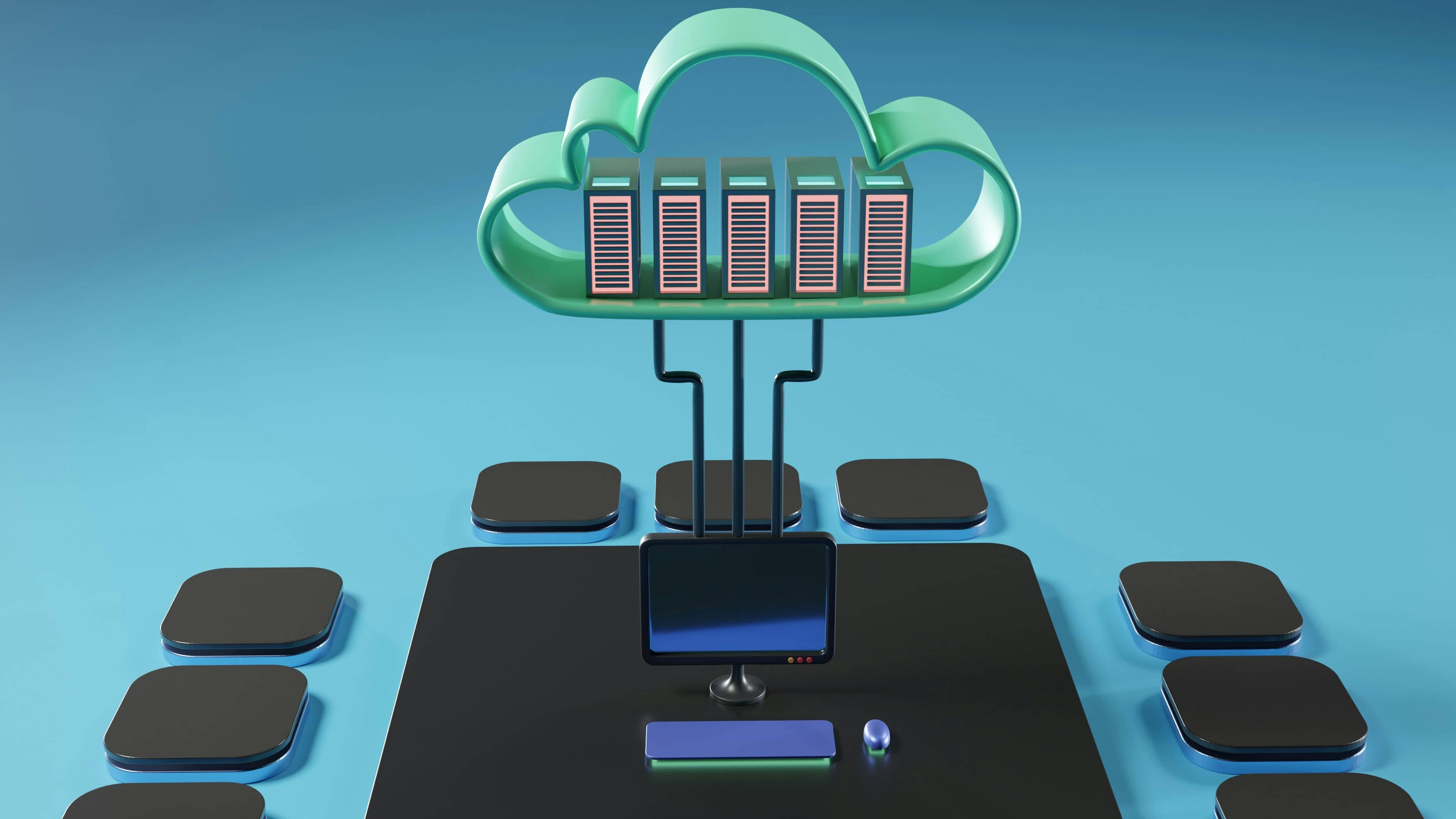
Infrastructure your team can own on day one.
Production-grade cloud environments built with Infrastructure as Code, full observability, and documented runbooks — so your team operates with confidence, not dependency.
Infrastructure as Code
Terraform, Bicep, or Pulumi modules that provision your entire environment from a single repository. Version-controlled, peer-reviewed, drift-detected.
Container Orchestration
Kubernetes clusters, Azure Container Apps, or ECS — configured with auto-scaling, health checks, and resource governance for production workloads.
CI/CD Pipeline Design
Azure DevOps or GitHub Actions pipelines with environment promotion, automated testing gates, and rollback capability built into every deployment.
Monitoring & Observability
Application Insights, Log Analytics, and custom dashboards that give your team real-time visibility into performance, errors, and resource utilization.
Security & Secret Management
Azure Key Vault integration, network segmentation, identity-based access, and security baselines applied at the infrastructure layer — not bolted on later.
Disaster Recovery & Business Continuity
Geo-redundant backups, failover automation, and tested recovery procedures with documented RPO/RTO targets for every critical workload.
Operational Lifecycle
Four Domains. One Control Plane.
We don't just set up servers. We build the complete operational lifecycle — provision, deploy, observe, recover — so your infrastructure runs like a platform, not a collection of resources.
Click any domain to see what your team receives at handoff.
Our Implementation Process
Environment Architecture
We assess your requirements, compliance constraints, and team capabilities — then produce an architecture design with landing zone topology, networking, and security boundaries.
IaC Foundation & Provisioning
Infrastructure modules built in Terraform or Bicep with CI/CD for the IaC itself. Environments provisioned: dev, staging, production — all from code, all repeatable.
Application Platform & Pipelines
Container orchestration, CI/CD pipelines for application deployments, secret management, and environment promotion workflows configured and tested.
Observability & DR
Monitoring dashboards, alerting rules, log aggregation, and disaster recovery procedures implemented and tested. Every alert has a documented runbook.
Knowledge Transfer & Handoff
Structured onboarding sessions for your team covering IaC workflows, deployment procedures, incident response, and day-2 operations. Handoff is not a slide deck — it is paired working.
Key Capabilities
- Infrastructure as Code (Terraform, Bicep, ARM Templates, Pulumi)
- Container orchestration (Kubernetes, Azure Container Apps, AKS, ECS)
- CI/CD pipeline design (Azure DevOps, GitHub Actions, GitOps)
- Serverless architecture (Azure Functions, Durable Functions, Lambda)
- Cloud networking (VNets, VPN Gateway, ExpressRoute, Private Endpoints)
- Monitoring & observability (Application Insights, Log Analytics, Grafana)
- Disaster recovery & business continuity planning
- Landing zone design and environment provisioning
- Secret management (Azure Key Vault, AWS Secrets Manager)
- Event-driven architecture (Azure Service Bus, Event Grid, Logic Apps)
Technologies
Engagement Models
Infrastructure Build
- Full architecture design and ADRs
- IaC repository (Terraform or Bicep)
- Dev, staging, and production environments
- CI/CD pipelines for infrastructure and applications
- Monitoring, alerting, and dashboards
- Disaster recovery configuration and testing
- Structured knowledge transfer and runbooks
Infrastructure Build + Managed Ops
- Everything in Infrastructure Build
- Ongoing infrastructure monitoring and incident response
- Monthly infrastructure reviews and optimization
- Patch management and security updates
- Capacity planning and scaling adjustments
- Direct Slack/Teams channel with infrastructure engineers
Infrastructure Audit & Remediation
- Architecture and security review
- IaC coverage assessment
- Cost optimization analysis
- Observability gap assessment
- Prioritized remediation roadmap
- Quick-win implementation (up to 40 hours)
Frequently Asked Questions
Do you build infrastructure and hand it off, or can you operate it ongoing?
Both. Our default engagement is a build-and-handoff: we design, implement, document, and train your team to operate independently. If you prefer managed operations, we offer an ongoing retainer where our engineers monitor, maintain, and optimize the infrastructure while your team focuses on application development. Most clients start with a build engagement and decide on managed ops during handoff.
What does "handoff-ready" mean in practice?
It means your team can operate the infrastructure without calling us. Concretely: every resource is in version-controlled IaC, every deployment has a pipeline, every alert has a runbook, every architectural decision is documented in an ADR, and your engineers have completed structured onboarding sessions with our team. Handoff is paired working, not a slide deck.
Do you work with Azure, AWS, or both?
We work primarily with Microsoft Azure and AWS. Most engagements are single-cloud (Azure is our deepest expertise), but we support multi-cloud and hybrid architectures where business requirements justify the added complexity. The architecture phase determines which platform fits your workloads, compliance requirements, and team skills.
What if we already have infrastructure but it was set up ad-hoc?
That is exactly what our Infrastructure Audit & Remediation engagement addresses. We assess your current state — IaC coverage, security posture, observability gaps, cost efficiency — produce a prioritized remediation roadmap, and implement quick wins within the engagement. Many clients start here before deciding on a full rebuild or incremental improvement.
How do you handle secrets and access control?
Secrets live in Azure Key Vault or AWS Secrets Manager — never in code, environment variables, or configuration files. Access follows least-privilege principles with identity-based authentication (Managed Identities on Azure, IAM Roles on AWS). We implement network segmentation, private endpoints, and security baselines at the infrastructure layer from day one.
What does disaster recovery look like?
We define RPO and RTO targets per workload based on business criticality, then implement geo-redundant backups, failover automation, and recovery procedures to meet those targets. Every DR configuration is tested during the engagement — not just documented. You receive tested recovery procedures and a DR runbook your team can execute without our involvement.
Ready to build infrastructure your team can own?
Book a 30-minute call. We will discuss your current environment, what you need built, and whether a build, managed ops, or audit engagement fits.