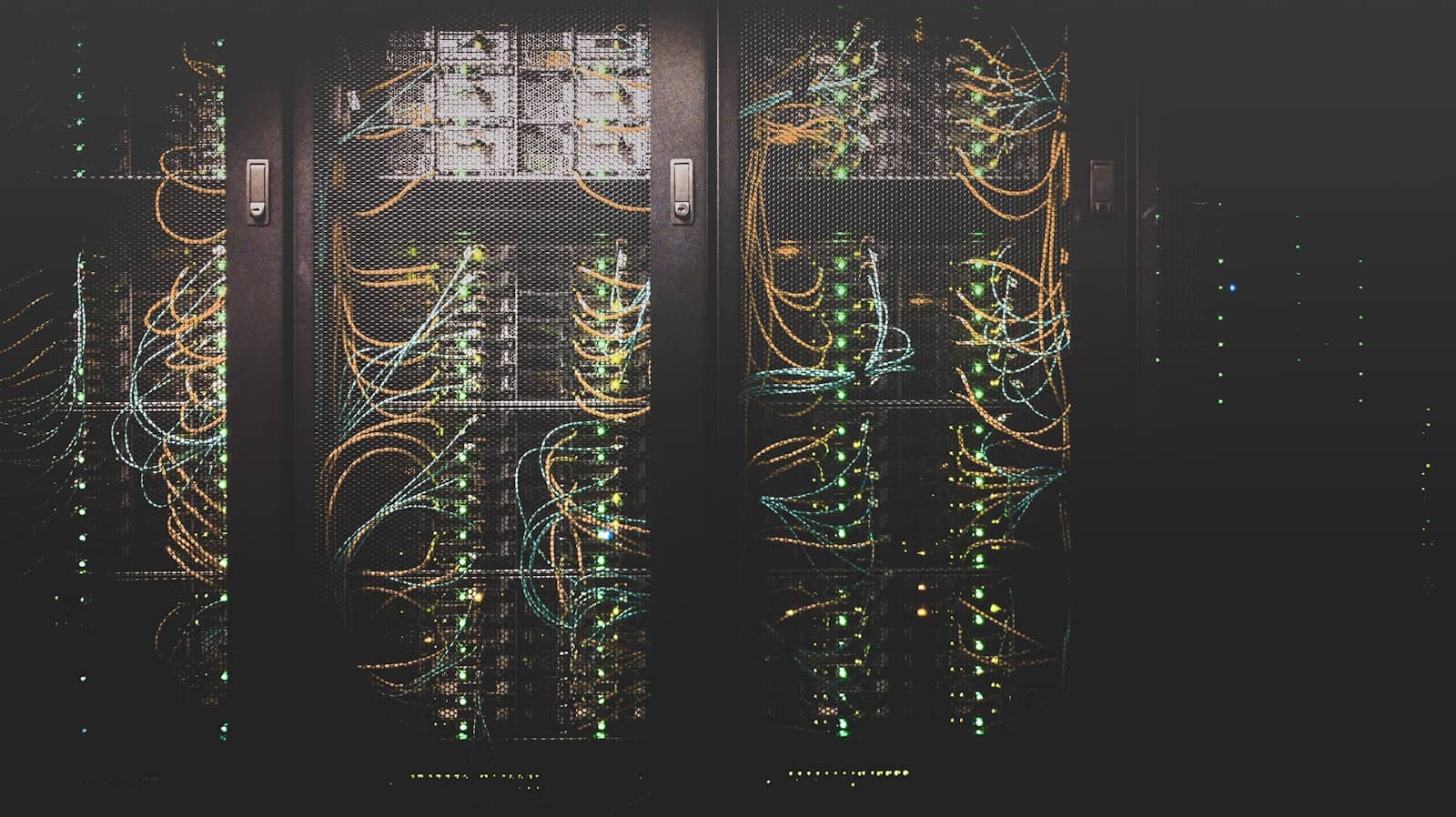
AI infrastructure built for the workload you actually have.
Custom-engineered AI platforms for training, fine-tuning, inference, and agentic workloads — designed for GPU efficiency, multi-region availability, observability across every tier, and the cost guardrails that keep AI budgets predictable as your roadmap scales.
GPU & Accelerated Compute Platforms
Custom-engineered GPU and CPU pools with workload affinity, queue isolation, and right-sized capacity — so training, fine-tuning, and inference workloads share infrastructure without starving each other.
AI Workload Orchestration
Container orchestration, autoscaling, and job scheduling tuned to AI workload shapes — long-running training jobs, bursty inference traffic, and step-by-step agentic pipelines coexist on one platform.
AI Data Fabric
Object, block, and lakehouse storage tied to vector stores, feature stores, and dataset versioning — so your AI workloads read from data with documented lineage, not a tangle of one-off pipelines.
Network & Region Architecture
Private routing, zone isolation, and multi-region patterns engineered into the platform — supporting low-latency inference, data residency choices, and failover paths your platform team can reason about.
Cost Guardrails & FinOps Discipline
Budgets, quotas, anomaly alerts, and per-workload chargeback designed in from day one — so a runaway training job or misconfigured inference deployment surfaces before the invoice does.
Observability & Platform Reliability
Compute utilization, model performance, data freshness, and spend exposed through one telemetry layer — with explicit failure domains, retry semantics, and recovery paths your on-call engineers can rehearse.
A Platform Your AI Team Can Iterate On
AI infrastructure designed so your data scientists, ML engineers, and platform engineers can ship model and pipeline changes through the same pipelines, dashboards, and guardrails — without bespoke tooling for every workload.

Compute, Data & Network — Engineered as One Stack
Compute pools, data fabric, network fabric, and observability designed as one platform — so a workload, region, or provider change is a configuration decision, not a re-architecture.

Four tiers of AI infrastructure on one engineering foundation.
Workloads, compute, data, and a network-identity-cost-observability foundation. We engineer each tier with portability, cost guardrails, and observability designed in from day one — so the platform scales with your AI roadmap instead of fighting it.
AI Workload Tier
The work your platform exists to run
- Model training & fine-tuning workloads
- Real-time inference & batch scoring
- Agentic, RAG, and multi-step AI pipelines
- Versioned model and prompt rollouts
Compute & Orchestration Tier
Right-sized capacity, scheduled to fit
- GPU and CPU pools with workload affinity
- Container orchestration and autoscaling
- Job scheduling and queue isolation
- Spot, reserved, and on-demand cost mixing
Data & Memory Tier
Where your AI workloads actually feed from
- Object, block, and lakehouse storage
- Vector stores and embedding pipelines
- Feature stores and offline / online splits
- Dataset versioning and lineage tracking
Network, identity, cost & observability — by design
- Network fabric with private routing and zone isolation
- Identity, secrets, and key management with least-privilege defaults
- Cost guardrails, budgets, and chargeback by workload
- Observability for compute, data, model, and cost
Faster Path From AI Prototype to Production
A platform designed for the full lifecycle — training, fine-tuning, evaluation, deployment, and inference — so your AI team spends less time wiring infrastructure and more time shipping features users feel.
Predictable AI Spend, Not Quarterly Surprises
Cost guardrails, budgets, and per-workload chargeback are platform features from day one. Finance, platform, and AI leadership read the same dashboard, so spend conversations happen before the bill, not after.
One Telemetry Layer Across Compute, Data, Model & Cost
Utilization, throughput, model performance, data freshness, and spend surfaced through a single observability layer — so platform, data, and AI teams stop debating whose dashboard is correct.
Portable Infrastructure Across Regions and Providers
Provider-aware infrastructure-as-code, standard interfaces, and explicit abstractions — so a region move, provider change, or hybrid posture does not force a platform rewrite or a year-long migration.
Resilience Designed, Not Assumed
Failure domains, retry semantics, queue isolation, and recovery paths are explicit engineering decisions — so a single zone, model, or job failure does not cascade across the platform.
Our Implementation Process
Discovery, Workload Mapping & Engineering Framing
We walk your current and planned AI workloads — training, inference, fine-tuning, agentic — inventory your existing data, identity, and networking estate, and frame the engineering and integration shape before scoping the build. Cloud-provider selection and data residency decisions remain with your team.
Architecture & Engineering Plan
Design the AI infrastructure architecture — compute pools, orchestration, data fabric, network, identity, observability, and cost guardrails — alongside your platform, security, and finance stakeholders. Trade-offs between cost, latency, portability, and resilience are made explicitly, not by default.
Build & Iterate
Iterative full-stack development of the platform — compute pools, schedulers, data fabric, observability, and cost-control tooling — with engineering artifacts (test coverage, runbooks, change logs) captured as part of the build. Workload-by-workload demos with your AI and platform engineers keep the platform anchored to real usage.
Integration & Handoff to Your Platform Team
Connect the platform to your existing identity, data, and CI/CD estate via documented interfaces your platform team controls. Run end-to-end load and failure-mode testing, and assemble the engineering documentation set your platform and SRE teams need to operate the platform themselves.
Production Rollout, Hypercare & Lifecycle Operations
Workload-by-workload rollout so a single AI workload can run on the new platform while existing workloads continue uninterrupted. An initial hypercare period covers monitoring, scaling response, cost-anomaly triage, and change-control reviews so the platform stays in a known state as model versions evolve.
Frequently Asked Questions
What does "AI infrastructure" actually include in your engagements?
Compute (GPU and CPU pools with scheduling and autoscaling), data fabric (object, block, lakehouse, vector and feature stores with dataset versioning), network (private routing, zone isolation, multi-region patterns), identity (secrets, keys, least-privilege defaults), observability (telemetry across compute, data, model, and spend), and cost guardrails (budgets, quotas, chargeback). Each tier is engineered to fit the AI workloads your team actually runs — training, fine-tuning, inference, agentic — rather than dropping a reference architecture and walking away.
Do you lock us into a single cloud provider?
No. We design the platform with provider-aware abstractions and infrastructure described as code, so a region move, provider change, or hybrid posture is a configuration decision rather than a platform rewrite. Cloud-provider selection itself remains with your engineering and leadership teams — we surface the trade-offs (cost, latency, portability, available services) and build to the decision you make. We do not represent partnerships or special status with any cloud vendor.
How do you keep AI infrastructure costs under control?
Cost guardrails are platform features, not a quarterly cleanup. We design budgets, quotas, anomaly detection, spot / reserved / on-demand capacity mixing, and per-workload chargeback into the platform from day one — so finance, platform, and AI leadership read the same spend story. Specific cost outcomes depend on workload mix, model choices, and capacity decisions your team owns; we engineer the guardrails so those decisions happen in daylight.
How does this work alongside our existing cloud, data, and identity estate?
The platform is designed to coexist with the cloud accounts, data warehouses, identity providers, and CI/CD pipelines you already run, via documented interfaces your platform team controls. We do not require a rip-and-replace of your existing estate; we engineer the AI infrastructure to sit alongside it and integrate through standard interfaces. We do not claim partnerships, certifications, or pre-built integrations with any third-party vendor.
What does a typical engagement look like, and how do you scope it?
Engagement scope, timeline, and investment vary by program and are defined during discovery — we do not quote fixed durations or fixed costs on a public page. Discovery is where we map your AI workloads, inventory your cloud and data estate, identify cost drivers, and frame the engineering shape before any production-bound code is written. After discovery, the build is typically phased so the highest-priority workload runs on the new platform first and your team can review it before later workloads land.
How do you handle resilience, failover, and disaster recovery for AI workloads?
Failure domains, retry semantics, queue isolation, and recovery paths are explicit engineering decisions made during architecture, not assumptions made after a production incident. Multi-region patterns, zone-aware scheduling, and rollback hooks for both model and platform changes are designed in where the workload justifies them. Specific resilience targets (RTO, RPO, regional availability) are agreed with your team during discovery based on the workloads in scope; we engineer the platform to meet those targets rather than publishing them as defaults.
Scaling AI workloads ahead of your infrastructure?
Book a free 30-minute discovery call. We will review your current and planned AI workloads, talk through the compute, data, and cost-guardrail shape, and outline a realistic engineering scope. Cloud-provider and architectural decisions remain with your team.